
Keywords
philosophical foundations
formal logic
symbolic AI
connectionist AI
human values
explainable artificial intelligence (XAI)
How to Cite




Abstract
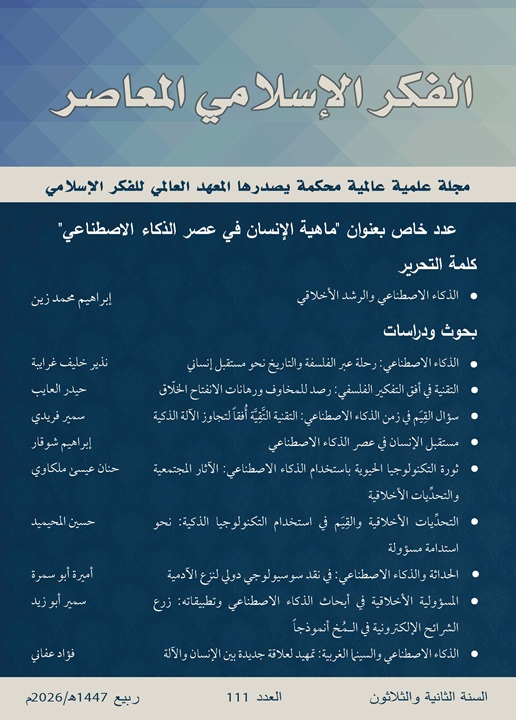
This paper examines the evolution of artificial intelligence through its philosophical and mathematical foundations. It begins by reviewing the philosophical roots that shaped early conceptions of artificial intelligence, then traces its historical evolution starting from formal logic, which transitioned from philosophy to mathematics in the nineteenth century and later to computer science in the twentieth century. The study focuses on two major paradigms of artificial intelligence: symbolic AI, grounded in logic and knowledge representation, and connectionist AI, which seeks to model neural processes inspired by the human brain. It highlights the methodological and dialectical interaction between these two approaches across key phases such as expert systems, machine learning, and deep learning, leading to contemporary hybrid models. The paper further discusses the limitations of formal systems, the problem of meaning, and the challenge of interpretability, while offering a critical perspective on the human position through the concepts of value alignment and explainable artificial intelligence (XAI). By highlighting the role of semantics and ontology in linking performance with context and meaning, this analysis contributes to a critical understanding of the position of the human being in the context of accelerating technological transformations and supports the formulation of a responsible approach that preserves human values while guiding technological progress toward a balanced and human-centered future.
References
ابن تيمية، أحمد (2005). الرد على المنطقيين (نصيحة أهل الإيمان في الرد على منطق اليونان)، تحقيق: عبد الصمد شرف الدين الكتبي، بيروت: مؤسسة الريان للطباعة والنشر والتوزيع.
أومنيس، رولان (2008). فلسفة الكوانتم: فهم العلم المعاصر وتأويله، ترجمة: أحمد فؤاد باشا ويمنى طريف الخولي، الكويت: سلسلة عالم المعرفة.
بلانشي، روبير (1980). المنطق وتاريخه منذ أرسطو حتى راسل، ترجمة: خليل أحمد خليل، بيروت: المؤسسة العربية للدراسات والنشر والتوزيع.
بن سراي، نصر الدين (2018). "رؤيةُ العالـمِ بوصفها أداةً إجرائية لمقاربة الحداثة". الفكر الإسلامي المعاصر (إسلامية المعرفة سابقا)، 23 (91)، 45-79. doi:10.35632/citj.v23i91.403
بنروز، روجر (1998). عقل الإمبراطور الجديد: العقل والحاسوب وقوانين الفيزياء، ترجمة: محمد وائل الأتاسي، تحقيق: بسام المعصراني، دمشق: دار طلاس، والمعهد العالي للعلوم التطبيقية والتكنولوجيا.
التوحيدي، أبو حيان (2019). الإمتاع والمؤانسة، تحقيق: أحمد أمين وأحمد الزين، مؤسسة هنداوي.
الخولي، يمنى طريف (2020). فلسفة كارل بوبر: منهج العلم … منطق العلم، مؤسسة هنداوي.
راسل، برتراند (2009). حكمة الغرب: الفلسفة الحديثة والمعاصرة، ط2، ترجمة: فؤاد زكريا، (365). الكويت: المجلس الوطني للثقافة والفنون والآداب.
راسل، ستيوارت (2022). ذكاء اصطناعي متوافق مع البشر: حتى لا تفرض الآلات سيطرتها على العالم، ترجمة: مصطفى محمد فؤاد، القاهرة: مؤسسة هنداوي.
ريشنباخ، هانـز (2020). نشأة الفلسفة العلمية، ترجمة: فؤاد زكريا، مؤسسة هنداوي.
عبد الله، حسان (2018). "قراءة في كتاب: التكامل المعرفي: أثره في التعليم الجامعي وضرورته الحضارية"، تحرير: رائد عكاشة، مجلَّة الفكر الإسلامي المعاصر (إسلامية المعرفة سابقاً)، 23 (91)، 141-162.
غصيب، هشام (2020). العقل والمنهج في الثورة العلمية الكبرى، دار عائدون.
فاخوري، عادل (1980). منطق العرب من وجهة نظر المنطق الحديث، بيروت، لبنان: دار الطليعة للنشر والتوزيع.
فاخوري، عادل (1985). علم الدلالة عند العرب: دراسة مقارنة مع السيمياء الحديثة، بيروت: دار الطليعة للنشر والتوزيع.
كون، توماس (2007). بنية الثورات العلمية، ترجمة: حيدر حاج إسماعيل، بيروت: المنظمة العربية للترجمة.
ماكليش، جون (1999). العدد من الحضارات القديمة حتى عصر الكمبيوتر، ترجمة: خضر الأحمد، وموفق دعبول، الكويت: سلسلة عالم المعرفة.
مذكور، مليكة (2013). نظرية النسب عند المناطقة العرب. الأكاديمية للدراسات الاجتماعية والإنسانية، 5(1)، 101-106. https://asjp.cerist.dz/en/article/73494
هوبزباوم، إريك (2011). عصر التطرفات: القرن العشرين الوجيز (1914-1991م)، ترجمة: فايز الصياغ، بيروت: المنظمة العربية للترجمة.
References:
Abd Allah, H. (2018). Qirāʾah fī al-Kitāb: Al-Takamul al-Maʿrifī: Atharuhu fī al-Taʿlīm al-Jāmiʿī wa Ḍarūratuh al-Ḥaḍārīyah (Ed. Raʾid ʿUkāshah). Al-Fikr al-Islāmī al-Muʿāṣir (Islāmiyyat al-Maʿrifah sābiqan), 23(91), 141–162.
Al-Tawhidi, Abu Hayan. (2019). Al-Imtāʿ wa-al-Muʾānasa (Ed. Ahmad Amin & Ahmad al-Zayn). Cairo: Hindawī.
Auminis, R. (2008). Falsafat al-Kuwāntum: Fahm al-ʿIlm al-Muʿāṣir wa Taʾwīluh (Translated by Ahmad Fūʾād Bāshā & Yamnah Ṭarīf al-Khūlī). Kuwait: Sil Silat ʿĀlam al-Maʿrifah.
Ben Saray, Nasr al-Din. (2018). Ruʾyat al-ʿĀlam bi-waṣfihā Adatan Ijrāʾiyyah li-Muqārabah al-Ḥadāthah. Al-Fikr al-Islāmī al-Muʿāṣir (Islāmiyyat al-Maʿrifah sābiqan), 23(91), 45–79. https://doi.org/10.35632/citj.v23i91.403
Blanshi, R. (1980). Al-Manṭiq wa-Tārīkhuh mundhu Arisṭū ḥattā Rāsil (Translated by Khalīl Aḥmad Khalīl). Beirut: Al-Muʾassasah al-ʿArabīyah lil-Dirāsāt wa-al-Nashr wa-al-Tawzīʿ.
Boden, M. A. (2018). Artificial Intelligence: A Very Short Introduction. Oxford University Press.
Banruz, R. (1998). ʿAql al-Imbrātūr al-Jadīd: al-ʿAql wa-al-Ḥāsūb wa-Qawānīn al-Fīzāʾ (Translated by Muḥammad Wāʾil al-ʾAtāsī; Edited by Bassam al-Muʿaṣirānī). Damascus: Dār Ṭalās & al-Maʿhad al-ʿĀlī lil-ʿUlūm al-Tatbīqīyah wa-al-Taknūlūjiyā.
Coeckelbergh, M. (2020). AI Ethics. The MIT Press.
Con, T. (2007). Bunyat al-Thawrāt al-ʿIlmīyah (Translated by Ḥaydar Ḥājj Ismāʿīl). Beirut: al-Munazzamah al-ʿArabīyah lil-Tarjamah.
Floridi, L. (2014). The Fourth Revolution: How the Infosphere Is Reshaping Human Reality. OUP Oxford.
Gharaibeh, Natheer. (2023). From DSS to Data Science: The Effect of Industry 4.0. In Encyclopedia of Data Science and Machine Learning (pp. 1436–1450). IGI Global.
Ghussayb, H. (2020). Al-ʿAql wa-al-Manhaj fī al-Thawrah al-ʿIlmīyah al-Kubrā. Dar ʿĀʾidūn.
Hammond, K., & Leake, D. (2023). Large Language Models Need Symbolic AI. Paper presented at the CEUR Workshop Proceedings.
Hobsbawm, E. (2011). ʿAṣr al-Taṭarrufāt: Al-Qarn al-ʿIshrīn al-Wajīz (1914–1991) (Translated by Fāyiz al-Ṣiyāgh). Beirut: al-Munazzamah al-ʿArabīyah lil-Tarjamah.
Ibn Taymiyyah, A. (2005). Al-Radd ʿalā al-Manṭiqiyyīn (Naṣīḥat Ahl al-īmān fī al-Radd ʿalā Manṭiq al-Yūnān) (Ed. ʿAbd al-Ṣamad Sharaf al-Dīn al-Kutbī). Beirut: Muʾassasat al-Riyān lil-Ṭibāʿah wa-al-Nashr wa-al-Tawzīʿ.
Jarrar, M. (2011). Building a Formal Arabic Ontology. Paper presented at the Proceedings of the Experts Meeting on Arabic Ontologies and Semantic Networks, Tunis.
Kamath, U., & Liu, J. (2021). Explainable Artificial Intelligence: An Introduction to Interpretable Machine Learning (Vol. 2). Springer.
Lindsay, G. (2021). Models of the Mind: How Physics, Engineering and Mathematics Have Shaped Our Understanding of the Brain. Bloomsbury Publishing.
MacLeish, J. (1999). Al-ʿAdad min al-Ḥaḍārāt al-Qadīmah ḥattā ʿAṣr al-Kumbiyūtar (Translated by Khaḍr Aḥmad & Muwaffaq Daʿboul). Kuwait: Sil Silat ʿĀlam al-Maʿrifah.
Maynard, D., Bontcheva, K., & Augenstein, I. (2017). Natural Language Processing for the Semantic Web. Springer.
Monnin, A. (2013). The Web as Ontology: Web Architecture Between REST, Resources, and Rules. In Philosophical Engineering: Toward a Philosophy of the Web (pp. 31–51).
Munn, K., & Smith, B. (2013). Applied Ontology: An Introduction (Vol. 9). Walter de Gruyter.
Madhkur, M. (2013). Naẓariyyat al-Nisbah ʿInda al-Munaṭṭiqah al-ʿArab. al-Akādīmiyyah lil-Dirāsāt al-Ijtimāʿiyyah wa-al-Insāniyyah, 5(1), 101–106. https://asjp.cerist.dz/en/article/73494
Priest, G. (2017). Logic: A Very Short Introduction (Vol. 29). Oxford University Press.
Rasskin-Gutman, D. (2009). Chess Metaphors: Artificial Intelligence and the Human Mind. MIT Press.
Rishanbakh, H. (2020). Nashʾat al-Falsafah al-ʿIlmīyah (Translated by Fuʾād Zakariyyā). Cairo: Hindawī.
Rozanec, J. M., et al. (2023). Human-Centric Artificial Intelligence Architecture for Industry 5.0 Applications. International Journal of Production Research, 61(20), 6847–6872.
Russell, B. (2009). Ḥikmat al-Gharb: Al-Falsafah al-Ḥadīthah wa-al-Muʿāṣirah (2nd ed.) (Translated by Fuʾād Zakariyyā). Kuwait: al-Majlis al-Wāṭanī lil-Thaqāfah wa-al-Funūn wa-al-Ādāb.
Russell, S. J., & Norvig, P. (2022). Artificial Intelligence: A Modern Approach, Global Edition. Pearson.
Sowa, J. F. (2000). Ontology, Metadata, and Semiotics. Paper presented at the International Conference on Conceptual Structures.
Sowa, J. F., & Majumdar, A. K. (2003). Analogical Reasoning. Paper presented at the International Conference on Conceptual Structures.
Sowa, J. (2006). The Challenge of Knowledge Soup. Research Trends in Science, Technology and Mathematics Education, 55–90.

This work is licensed under a Creative Commons Attribution-NonCommercial-NoDerivatives 4.0 International License.
Copyright (c) 2026 المعهد العالمي للفكر الإسلامي