
Keywords
Spiritual Exercises
Reductionist Reason
Knowledge and Life
Behavioral Transformation
How to Cite




Abstract
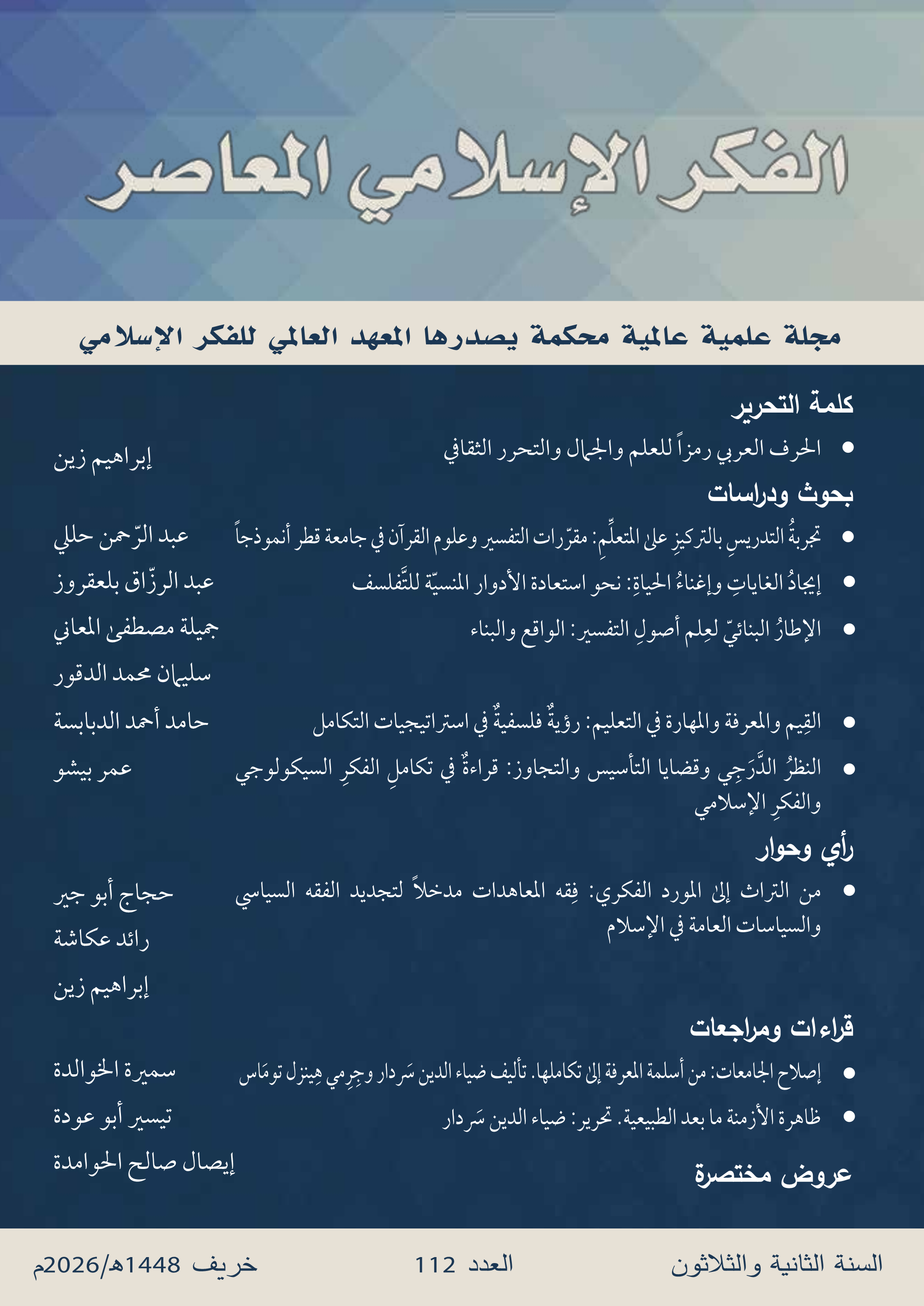
This study seeks to revive a forgotten way of philosophizing, one grounded in the view that philosophy is a mode of existence rather than merely a set of conceptual techniques or doctrinal systems. To this end, the study analyzes three central concepts: the discovery of ends, the enrichment of life, and forgotten philosophizing. It also examines the legitimacy of linking philosophizing to the study of ends, and of liberating it from the scientific perspective that has reduced philosophical knowledge to the writing of histories of the sciences and the critique of their foundations. This legitimacy rests on two justifications.
First, it exposes the intellectual contraction of contemporary philosophical activity. Definition, clarification, and diagnosis have become the dominant functions of philosophy, whereas philosophical discourse extends to other functions that bear on the ultimate ends of the self.
Second, it addresses philosophy's neglect of the discourse of being, and the tendency of culture to overvalue the immediate and the tangible at the expense of the enduring and the spiritual.
The study then turns to the foundations and aims of practical philosophizing. Philosophical work is defined as that which achieves an expansion of understanding; Socrates is presented as an exemplar of the unity of knowledge and life, and spiritual exercises and the performing arts are identified as practical means of changing one's view of the world and modifying behavior. Accordingly, the study's immediate aim is to restore the connection and convergence between philosophizing and the inquiry into ends, while its long-term aim is to unveil being, which has come under the sway of the discourse of multiplicity.
References
إزوتسو، توشيهيكو (2019). مفهوم الوجود وحقيقته، ترجمة: عيسى علي العاكوب، دمشق: دار نينوى.
الأصفهاني، الحسين بن محمد الراغب (2007). كتاب الذَّريعة إلى مكارم الشَّريعة، تحقيق: أبو اليزيد أبو زيد العجمي، مصر: دار السلام للطباعة والنّشر والتّوزيع.
إقبال، محمّد (2011). تجديد التفكير الديني في الإسلام، ترجمة: محمّد يوسف عدس، القاهرة -بيروت: دار الكتاب المصري، دار الكتاب اللبناني.
باومان، زيغمونت (2016). الحياة السائلة، ترجمة: حجّاج أبو جبر، بيروت: الشبكة العربية للأبحاث والنشر.
تارناس، ريتشارد (2010). آلام العقل الغربي، فهم الأفكار التي قامت بصياغة نظرتنا إلى العالم، ترجمة: فاضل جكتر، أبو ظبي، السعودية: دار كلمة، العبيكان.
التريكي، فتحي، والتريكي، رشيدة (1992). فلسفة الحداثة، بيروت: مركز الإنماء القومي.
الدغامين، زياد (2008). "إعمار الكون في ضوء نصوص الوحي"، المعهد العالمي للفكر الإسلامي، إسلامية المعرفة (مجلة الفكر الإسلامي المعاصر لاحقاً)، 14(54).
زروق، أحمد (2004). قواعد التصوّف، تحقيق: عثمان الجويمدي، بيروت: دار القلم.
العامري، أبو الحسن محمد بن يوسف (د.ت). الإعلام بمناقب الإسلام، تحقيق: أحمد عبد الحميد غراب، السعودية: دار الأصالة للثقافة والنشر والإعلام.
عبد الرحمن، طه (2023). سؤال السيرة الفلسفية: بحث في حقيقة التفلسف الائتمانية، الكويت، بيروت: مركز نهوض للدراسات والبحوث.
ابن عجيبة، أحمد بن محمّد (2015). معراج التشوّف إلى حقائق التصوّف، تحقيق: أبو سهل، القاهرة: دار المقطم للنّشر والتوزيع.
ابن عربي، محيي الدين (2004). الإسفار عن رسالة الأنوار فيما يتجلّى لأهل الذّكر من الأنوار، تحقيق: إبراهيم الكيّالي، بيروت: دار الكتب العلمية.
عزّت، قرني (2020). غايات الإنسان وفكرة الخير، القاهرة: الهيئة المصرية العامّة للكتاب.
غارودي، روجيه (2003). كيف نصنع المستقبل، بيروت، الجزائر: دار الفارابي، المؤسّسة الوطنية للفنون المطبعية.
غريش، جون (2018). العيش بالتفلسف: التجربة الفلسفية، الرياضات الروحية، وعلاجيات النفس، ترجمة: محمّد شوقي الزين، بيروت: مؤمنون بلا حدود.
الغزالي، أبو حامد محمد بن محمد (2003). مجموعة رسائل الإمام الغزّالي، بيروت: دار الفكر للطباعة والنشر والتوزيع.
الفارابي، أبو نصر محمد (1995). تحصيل السعادة، تقديم وشرح: علي أبو ملحم. بيروت: دار ومكتبة هلال.
الفارابي، أبو نصر محمد (2012). ما ينبغي تعلّمه قبل الفلسفة، ضمن الرسائل الفلسفية الصغرى، تحقيق: عبد الأمير الأعسم، بيروت: دار التكوين.
الكفوي، أبو البقاء أيوب بن موسى (2012). الكلّيات: معجم في المصطلحات والفروق اللغوية، تحقيق: عدنان درويش، ومحمّد المصري، بيروت: مؤسّسة الرسالة.
ليبوفتسكي، جيل (2018). عصر الفراغ: الفردانية المعاصرة وتحوّلات ما بعد الحداثة، ترجمة: حافظ إدوخراز، بيروت: مركز نماء للبحوث والدراسات.
الميداني، عبد الرحمن حسن حبنّكة (2011). الأخلاق الإسلامية وأسسها (الجزء الأول)، دمشق: دار القلم.
هايدغر، مارتن (2008). ماذا يعني التّفكير؟، ترجمة: نادية بونفقة، الجزائر: ديوان المطبوعات الجامعية.
هايدغر، مارتن (2023). المفاهيم الأساسية للميتافيزيقا: العالم-التناهي-الوحدة، ترجمة: إسماعيل المصدق، ليبيا، بيروت: دار الكتاب الجديد.
References
ʿAbd al-Raḥmān, Ṭ. (2023). Suʾāl al-sīrah al-falsafiyyah: Baḥth fī ḥaqīqat al-tafalsuf al-iʾtimānī. Markaz Nuhūḍ li-l-Dirāsāt wa-al-Buḥūth.
al-ʿĀmirī, A. Ḥ. M. ibn Y. (n.d.). Al-iʿlām bi-manāqib al-Islām (A. ʿAbd al-Ḥamīd Ghurāb, Editor). Dār al-Aṣālah li-l-Thaqāfah wa-al-Nashr wa-al-Iʿlām.
al-Aṣfahānī, Ḥ. ibn M. al-Rāghib. (2007). Kitāb al-dharīʿah ilā makārim al-sharīʿah (A. al-Yazīd Abū Zayd al-ʿAjamī, Editor). Dār al-Salām li-l-Ṭibāʿah wa-al-Nashr wa-al-Tawzīʿ.
al-Daghāmīn, Z. (2008). "Iʻmār al-kawn fī ḍawʼ nuṣūṣ al-waḥy", al-Maʻhad al-ʻĀlamī lil-Fikr al-Islāmī, Islāmīyah al-Maʻrifah (Majallat al-Fikr al-Islāmī al-muʻāṣir lāḥqan), 14 (54).
al-Fārābī, A. N. M. (1995). Taḥṣīl al-saʿādah (ʿA. Abū Mulḥim, Introduction and commentary). Dār wa-Maktabat Hilāl.
al-Fārābī, A. N. M. (2012). Mā yanbaghī taʿallumuhu qabla al-falsafah. In Al-rasāʾil al-falsafiyyah al-ṣughrā (ʿA. al-Aʿsam, Editor). Dār al-Takwīn.
al-Ghazālī, A. Ḥ. M. ibn M. (2003). Majmūʿat rasāʾil al-Imām al-Ghazālī. Dār al-Fikr li-l-Ṭibāʿah wa-al-Nashr wa-al-Tawzīʿ.
al-Kafawī, A. al-B. A. ibn M. (2012). Al-kulliyyāt: Muʿjam fī al-muṣṭalaḥāt wa-al-furūq al-lughawiyyah (ʿA. Darwīsh & M. al-Miṣrī, Editors). Muʾassasat al-Risālah.
al-Maydānī, ʿA. al-R. Ḥ. Ḥ. (2011). Al-akhlāq al-Islāmiyyah wa-ususuhā (Vol. 1). Dār al-Qalam.
al-Turīkī, F., & al-Turīkī, R. (1992). Falsafat al-ḥadāthah. Markaz al-Inmāʾ al-Qawmī.
Baumān, Z. (2016). Al-ḥayāh al-sāʾilah (Ḥ. Abū Jabr, Translator). Al-Shabakah al-ʿArabiyyah li-l-Abḥāth wa-al-Nashr.
Ghārūdī, R. (2003). Kayfa naṣnaʿ al-mustaqbal. Dār al-Fārābī & al-Muʾassasah al-Waṭaniyyah li-l-Funūn al-Maṭbaʿiyyah.
Ghrīsh, J. (2018). Al-ʿaysh bi-al-tafalsuf: Al-tajrubah al-falsafiyyah, al-riyāḍāt al-rūḥiyyah, wa-ʿilājiyyāt al-nafs (M. Sh. al-Zayn, Translator). Muʾminūn bilā Ḥudūd.
Grange, G. G. (1979). Langage et épistémologie, Paris: Klincksieck.
Hadot, P. (2002). Exercices spirituels et philosophie antique. Paris: Albin Michel.
Hāydighar, M. (2008). Mādhā yaʿnī al-tafkīr? (N. Būnfaqqah, Translator). Dīwān al-Maṭbūʿāt al-Jāmiʿiyyah.
Hāydighar, M. (2023). Al-mafāhīm al-asāsiyyah li-l-mītāfīzīqā: Al-ʿālam–al-tanāhī–al-waḥdah (I. al-Muṣaddaq, Translator). Dār al-Kitāb al-Jadīd.
Ibn ʿAjībah, A. ibn M. (2015). Miʿrāj al-tashawwuf ilā ḥaqāʾiq al-taṣawwuf (A. Sahl, Editor). Dār al-Muqṭam li-l-Nashr wa-al-Tawzīʿ.
Ibn ʿArabī, M. al-D. (2004). Al-isfār ʿan risālat al-anwār fīmā yatajalā li-ahl al-dhikr min al-anwār (I. al-Kayyālī, Editor). Dār al-Kutub al-ʿIlmiyyah.
Iqbal, M. (2011). Tajdīd al-tafkīr al-dīnī fī al-Islām (M. Y. ʿAdas, Translator). Dār al-Kitāb al-Miṣrī & Dār al-Kitāb al-Lubnānī.
Izūtsū, T. (2019). Mafhūm al-wujūd wa-ḥaqīqatuhu (ʿĪsā ʿA. al-ʿĀkūb, Translator). Dār Nīnawā.
Lībūftskī, J. (2018). ʿAṣr al-farāgh: Al-fardāniyyah al-muʿāṣirah wa-taḥawwulāt mā baʿd al-ḥadāthah (Ḥ. Idūkhraz, Translator). Markaz Namāʾ li-l-Buḥūth wa-al-Dirāsāt.
Qurnī, ʿI. (2020). Ghāyāt al-insān wa-fikrat al-khayr. Al-Hayʾah al-Miṣriyyah al-ʿĀmmah li-l-Kitāb.
Tārnās, R. (2010). Ālām al-ʿaql al-gharbī: Fahm al-afkār allatī qāmat bi-ṣiyāghat naẓratinā ilā al-ʿālam (F. Jakhtar, Translator). Dār Kalimah & al-ʿUbaykān.
Zarrūq, A. (2004). Qawāʿid al-taṣawwuf (ʿU. al-Juwaymidī, Editor). Dār al-Qalam.

This work is licensed under a Creative Commons Attribution-NonCommercial-NoDerivatives 4.0 International License.
Copyright (c) 2026 المعهد العالمي للفكر الإسلامي